
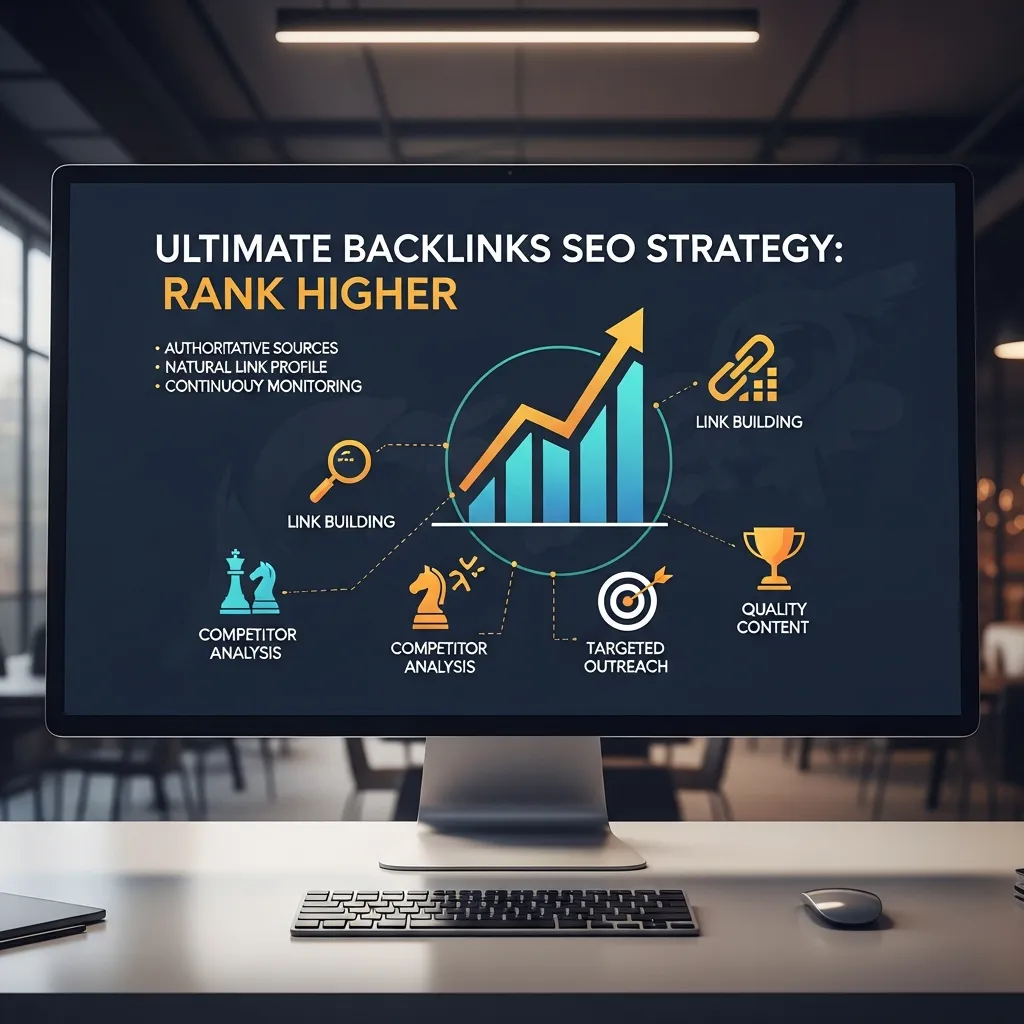
This comprehensive guide breaks down exactly how to create and execute a winning link-building plan. You will learn the fundamental mechanisms of link equity, step-by-step outreach techniques, common pitfalls to avoid, and how to measure your success. Whether you are a beginner or looking to refine your current approach, these actionable insights will help you build authority, increase organic traffic, and secure your place at the top of search results.
Are you struggling to push your website to the first page of Google despite publishing excellent content? The missing ingredient is likely a robust off-page foundation. A well-planned backlinks seo strategy is the driving force behind the internet’s most successful websites. When you earn links from authoritative sources, you signal to search engines that your content is trustworthy, valuable, and worthy of top rankings.
Why You Need a Dedicated Approach to Link Building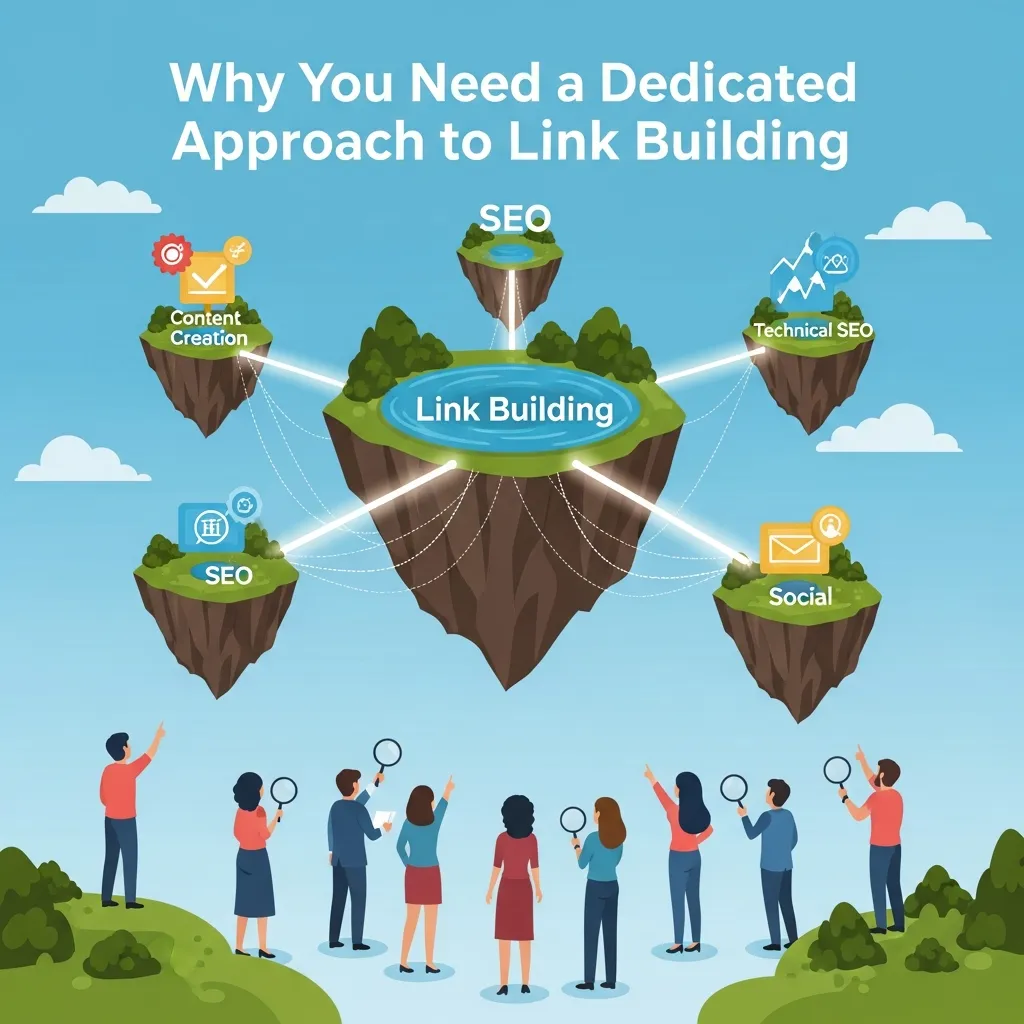
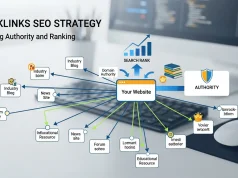
Before you dive into the tactics, you must understand the underlying mechanics of search engine algorithms. Search engines like Google treat backlinks as votes of confidence. However, not all votes carry the same weight. A single link from a highly respected industry publication can do more for your rankings than dozens of links from low-quality, irrelevant directories.
Developing a calculated backlinks seo strategy ensures that you focus your time and resources on acquiring the right kind of links. Without a strategy, you risk wasting effort on tactics that move the needle very little, or worse, engage in toxic practices that could result in algorithmic penalties. A structured approach guarantees that your link profile grows naturally and sustainably over time, complementing your content marketing and on-page SEO efforts.
The Anatomy of a High-Quality Backlink
To execute your plan effectively, you need to recognize what makes a backlink valuable. You should evaluate every potential link opportunity against these core criteria:
Authority: Links from domains with high authority pass more equity to your site. A link from a major news outlet or a recognized educational institution carries immense weight.
Relevance: Search engines look for contextual alignment between the linking site and your site. If you sell fitness equipment, a link from a popular health blog is highly relevant. A link from a local plumbing website is not.
Placement: Where the link appears on the page matters significantly. An editorial link placed naturally within the body of a well-researched article is much more valuable than a link buried in a footer or a sidebar.
Anchor Text: The clickable text of a link provides context about the destination page. A natural mix of branded, generic, and keyword-rich anchor text is essential for a healthy link profile.
Traffic: A link on a page that receives actual human visitors is vastly superior to a link on an orphaned page. Traffic-driving links not only boost your search visibility but also bring potential customers directly to your doorstep.
Step-by-Step Guide to Building Your Link Portfolio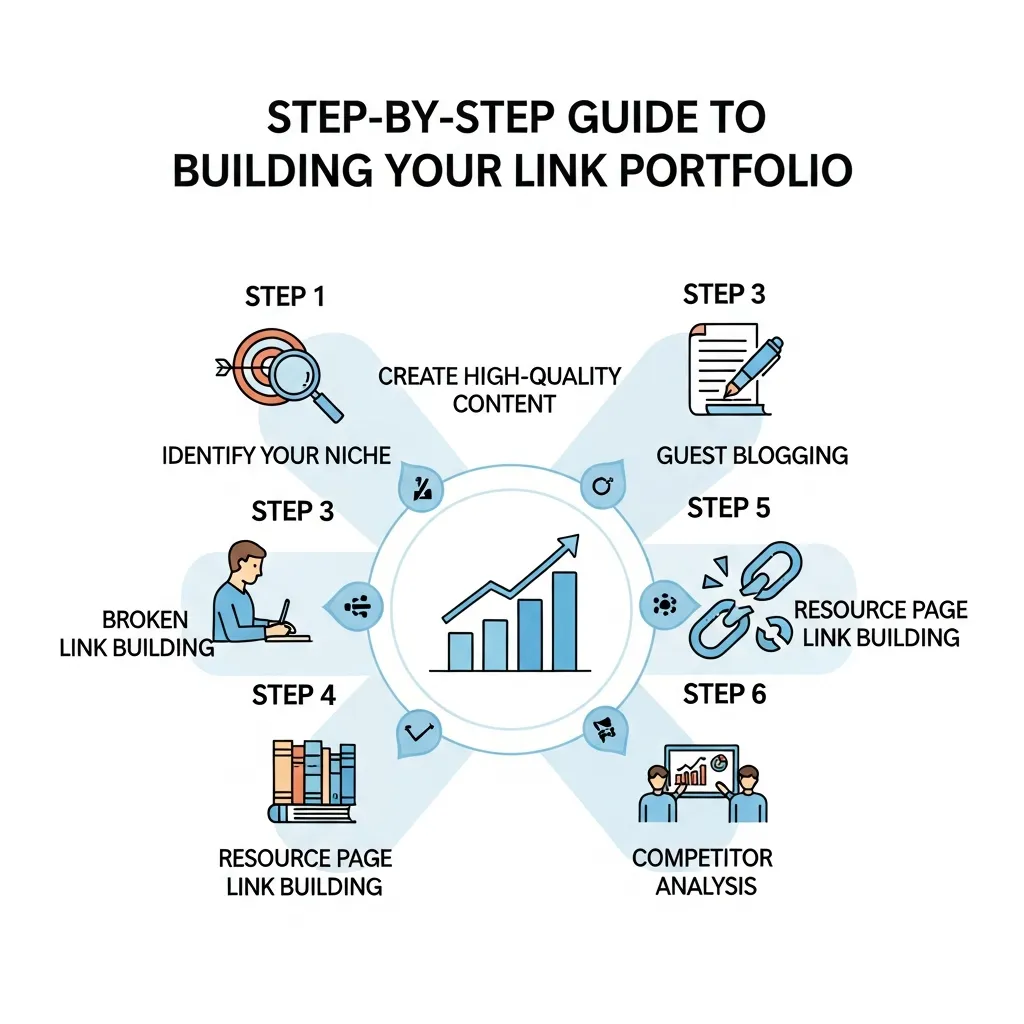
Building a strong backlink profile requires a mix of creativity, persistence, and relationship building. Here is a step-by-step framework to help you earn authoritative links.
Step 1: Create Linkable Assets
The foundation of any successful outreach campaign is exceptional content. People link to content that provides immense value. If your site only consists of sales pages and thin blog posts, securing high-quality links will be an uphill battle.
You need to create “linkable assets.” These are comprehensive, highly informative resources designed specifically to attract links. Examples include:
Original Research and Data: Conducting industry surveys or analyzing proprietary data provides unique insights that journalists and bloggers want to cite.
Ultimate Guides: Long-form, exhaustive guides covering every aspect of a specific topic become go-to resources for other writers in your niche.
Infographics and Visual Data: Complex information distilled into easy-to-understand, shareable graphics naturally attracts links from sites looking to enhance their own content.
Free Tools and Calculators: Interactive tools solve specific problems for users, making them highly linkable over a long period.
By investing in high-quality assets, you make the outreach process significantly easier because you are offering genuine value to the linking site’s audience.
Step 2: Leverage Broken Link Building
The internet is full of dead links. Websites frequently restructure their content, go out of business, or simply delete pages. This creates a massive opportunity for an astute marketer. Broken link building is the process of finding these dead links on relevant websites and offering your own content as a replacement.
To execute this tactic, use an SEO tool like Ahrefs to scan authoritative sites in your industry for broken outbound links. Once you find a broken link that previously pointed to a resource similar to yours, reach out to the site owner.
Your outreach email should be helpful and concise. Inform them that they have a broken link on a specific page, mention the negative impact on user experience, and suggest your linkable asset as a high-quality replacement. Because you are doing them a favor by identifying a site error, the success rate for this tactic is often higher than cold pitching.
Step 3: Guest Blogging the Right Way
Guest blogging remains a powerful component of a successful backlinks seo strategy, provided it is done correctly. The days of mass-producing low-quality articles for spammy guest post directories are over. Today, guest blogging must focus on quality, relevance, and relationship building.
Identify top-tier blogs and publications in your industry. Analyze their content guidelines and study their audience. Pitch unique, highly researched topics that their readers will love. When writing the article, ensure you provide maximum value. Include a natural, contextually relevant link back to one of your comprehensive guides or research pieces within the body of the article. Do not force links to promotional pages.
By contributing outstanding content to authoritative sites, you earn a powerful backlink, increase your brand visibility, and establish yourself as an expert in your field.
Step 4: Claim Unlinked Brand Mentions
If you have been running your business for a while, there is a good chance that people are already talking about you online. Sometimes, bloggers or journalists will mention your brand name, your products, or your executives without actually linking to your website.
These unlinked brand mentions are low-hanging fruit. The author already knows who you are and has deemed your brand worthy of mention. You simply need to politely ask them to turn that mention into a clickable link.
Set up alerts using tools like Google Alerts or Mention to monitor your brand name across the web. When you spot an unlinked mention, send a brief, appreciative email to the author. Thank them for the mention and gently ask if they would consider adding a link so their readers can easily find your site.
Step 5: Execute Digital PR Campaigns
Digital PR is one of the most effective ways to earn links from massive, high-authority publications like Forbes, The New York Times, or major industry magazines. This involves creating newsworthy content and pitching it to journalists.
Unlike traditional PR, which focuses on brand awareness, digital PR is laser-focused on acquiring backlinks. This often involves creating data-driven campaigns, controversial industry studies, or interactive maps that tell a compelling story.
To succeed with digital PR, you must understand what journalists want: exclusive data, surprising statistics, and compelling narratives that appeal to their specific readership. Build a targeted media list and craft personalized pitches that explain exactly why their audience will care about your campaign.
Step 6: Resource Page Link Building
Many websites curate lists of helpful resources for their audience. These “resource pages” are specifically designed to link out to valuable external content. If you have created a comprehensive guide or a useful tool, securing a placement on a relevant resource page is an excellent tactic.
Use advanced Google search operators to find these pages. For example, search for your keyword plus terms like “helpful resources,” “useful links,” or “recommended reading.” Review the pages you find to ensure they are high quality and relevant to your niche.
Reach out to the webmaster, compliment their resource list, and suggest your asset as a valuable addition that their readers will appreciate.
Best Practices for Effective Outreach
Your link-building success relies heavily on your ability to communicate with other webmasters. Cold email outreach is an art form. If your emails look like spam, they will be ignored. Follow these best practices to increase your response rates:
Personalize Everything: Never send generic, mass emails. Address the recipient by name. Reference a specific article they wrote and explain why you liked it. Show them that you have taken the time to understand their website.
Keep It Short: Webmasters are busy. Get straight to the point. Explain who you are, why you are emailing, and what is in it for them in just a few short paragraphs.
Focus on Mutual Value: Do not just ask for a link. Explain why adding your link improves their content and benefits their readers. Whether you are replacing a broken link or providing an updated statistic, emphasize the value you bring.
Follow Up Strategically: People miss emails. A polite follow-up sent three to four days after your initial pitch can significantly increase your success rate. However, if you do not receive a response after one or two follow-ups, move on. Do not harass webmasters.
Common Link Building Mistakes to Avoid
As you execute your backlinks seo strategy, you must navigate carefully to avoid tactics that can harm your website. Search engines actively penalize sites that attempt to manipulate their algorithms. Avoid these common mistakes:
Buying Links: Purchasing links from link farms or low-quality private blog networks (PBNs) is a direct violation of Google’s Webmaster Guidelines. While it might offer a short-term boost, it will inevitably lead to a severe algorithmic penalty that could devastate your organic traffic.
Ignoring Link Relevance: Securing a high-authority link is useless if the linking site has nothing to do with your industry. Search engines understand context. Focus on building links from sites that are topically relevant to your business.
Over-Optimizing Anchor Text: Using exact-match keywords for every single backlink looks incredibly unnatural to search engines. A natural link profile contains a diverse mix of branded anchors, naked URLs, and descriptive phrases.
Neglecting Internal Links: While external links are crucial, do not forget the power of internal linking. Linking your own pages together helps search engines understand your site architecture and distributes link equity throughout your domain.
Relying on a Single Tactic: A healthy link profile is diverse. If you only ever do guest posting, or only ever build directory links, your profile will look artificial. Mix up your tactics to earn links from a wide variety of sources.
Measuring the Success of Your Strategy
To ensure your efforts are paying off, you must track and measure your link-building progress. You cannot manage what you do not measure. Monitor these key performance indicators (KPIs) to gauge the effectiveness of your campaigns:
Number of Referring Domains: Track the total number of unique websites linking to your site. This is often a stronger indicator of success than the total number of backlinks, as multiple links from the same domain carry diminishing returns.
Domain Authority/Domain Rating: Monitor the overall authority metric of your website using tools from leading industry authorities. As you earn high-quality links, your site’s authority score should steadily increase.
Organic Traffic Growth: The ultimate goal of building links is to increase your search visibility and drive more visitors to your site. Monitor your organic traffic in Google Analytics to see if your link-building efforts are translating into real-world traffic.
Keyword Rankings: Track the search engine positions for your target keywords. As your targeted pages accumulate backlinks, you should see them climb higher in the search engine results pages (SERPs).
Link Quality: Regularly audit your backlink profile to ensure you are earning links from reputable sites. Disavow any toxic or spammy links that could potentially harm your website’s standing with search engines.
Essential Tools for Link Building
Executing a comprehensive strategy at scale requires the right technology stack. These tools will help you identify opportunities, analyze competitors, and streamline your outreach process:
Ahrefs: A powerhouse for backlink analysis. You can use it to reverse-engineer your competitors’ link profiles, find broken link opportunities, and track your own link growth over time. You can learn more about advanced tactics directly from the Ahrefs blog.
Backlinko: While not a software tool, Brian Dean’s website is an indispensable resource. Reading case studies and guides on Backlinko will keep you updated on the latest, most effective link-building methodologies.
Pitchbox or BuzzStream: These outreach platforms help you manage your email campaigns, track responses, and automate your follow-ups, making your workflow significantly more efficient.
Hunter.io: Finding the right email address is half the battle in outreach. This tool helps you quickly locate the contact information for webmasters and editors.
Google Search Console: An essential free tool for monitoring your site’s performance. It shows you exactly which sites Google recognizes as linking to your content and alerts you to any manual penalties.
Integrating Links with Your Broader Marketing Plan
A successful link-building campaign does not exist in a vacuum. It must be closely integrated with your overall digital marketing efforts. Your content creators must work hand-in-hand with your outreach specialists. When you publish a massive new piece of research, your outreach team should be ready to promote it instantly.
Furthermore, ensure your technical foundation is solid. If you spend months building links to a page that loads slowly or has broken technical SEO elements, your efforts will be wasted. A holistic approach ensures that your hard-earned links deliver the maximum possible impact on your search rankings and business growth.
Conclusion
Developing a sustainable backlinks seo strategy is not a one-time project; it is an ongoing commitment to quality and relationship building. By focusing on creating exceptional content, executing personalized outreach, and adhering to search engine guidelines, you will steadily build a backlink profile that drives long-term organic growth. Do not let your competitors dominate the search results. Start auditing your current link profile today, identify your best linkable assets, and launch your first targeted outreach campaign to claim your spot at the top of the SERPs.
Frequently Asked Questions (FAQs)
1. How long does it take to see results from building backlinks?
SEO is a long-term game. Generally, it takes anywhere from three to six months to see the full impact of newly acquired backlinks on your search engine rankings. Search engines need time to crawl the new links, evaluate their quality, and adjust their algorithms accordingly.
2. Are nofollow links completely useless for SEO?
No, nofollow links still hold value. While they do not pass direct link equity (PageRank) in the same way dofollow links do, Google treats the nofollow attribute as a hint rather than a strict directive. Furthermore, nofollow links from high-traffic sites can drive direct referral traffic and increase brand awareness.
3. What is the difference between white-hat and black-hat link building?
White-hat link building involves earning links naturally by creating great content and engaging in legitimate outreach, aligning perfectly with search engine guidelines. Black-hat link building involves manipulative tactics like buying links, using hidden text, or participating in private blog networks (PBNs) to trick search engines.
4. How many backlinks do I need to rank on the first page?
There is no magic number. The required number of links depends entirely on the competitiveness of your target keyword and the authority of the sites currently ranking on page one. Ten highly authoritative, relevant links will always outperform one hundred low-quality links.
5. Is it safe to use automated link-building software?
No. Automated link-building tools that blast your URL to thousands of directories, forums, or blog comment sections will almost certainly result in a Google penalty. Effective link building requires human intelligence, personalization, and genuine relationship building.
6. How do I know if a website is a good target for a backlink?
Evaluate the site based on topical relevance, domain authority, organic traffic volume, and editorial standards. A good target site should publish high-quality content, have genuine reader engagement, and operate within the same or a closely related industry to yours.
7. Should I worry about my competitors’ backlinks?
Yes, conducting a competitor backlink analysis is highly recommended. By analyzing where your top competitors are getting their links, you can uncover new opportunities, identify industry-specific resource pages, and replicate their most successful link-building strategies.
8. What is link velocity, and does it matter?
Link velocity refers to the speed at which a website acquires new backlinks. A natural, steady increase in links is healthy. However, a sudden, massive spike in low-quality backlinks can trigger spam filters and result in algorithmic penalties, as it often indicates unnatural link-building practices.
9. Can internal linking help my SEO as much as external backlinks?
Internal linking is critical for site architecture and distributing authority, but it serves a different purpose than external backlinks. External links are third-party endorsements that build your overall domain authority, while internal linking helps search engines understand the hierarchy and relationship between your own pages. You need both.
10. What should I do if I receive a manual penalty for unnatural links?
If you receive a manual action warning in Google Search Console, you must immediately audit your backlink profile. Identify all toxic or paid links, reach out to webmasters to have them removed, and use the Google Disavow Tool for the links you cannot remove. Finally, submit a detailed reconsideration request to Google outlining the steps you have taken to fix the issue.