


SMS affiliate marketing success relies on high engagement, targeted messaging, and compliance. By building quality lists, crafting concise offers, and optimizing campaigns, marketers can drive conversions and maximize affiliate revenue effectively.
In today’s digital landscape, reaching consumers directly on their smartphones has become a game-changer for marketers. SMS affiliate marketing harnesses the immediacy and high engagement of text messaging to promote products and services through affiliate links, enabling marketers to earn commissions on every action or sale. Currently, text messages enjoy open rates exceeding 90%, making this channel one of the most powerful ways to connect with audiences in real time. By integrating SMS campaigns with affiliate networks, businesses can drive targeted traffic, monitor campaign performance accurately, and scale their efforts cost-effectively.
This guide will equip you with a comprehensive roadmap to succeed in SMS affiliate marketing. You’ll discover how to select the right niche, build a compliant subscriber list, and choose the best platforms for sending text offers. We’ll delve into creative strategies for crafting concise, persuasive messages and explore methods for tracking metrics like click-through and conversion rates. Along the way, you’ll find practical tips on regulatory compliance and list management to ensure your campaigns remain above board.
Whether you’re an experienced affiliate marketer or exploring mobile channels for the first time, this resource is designed to help you navigate each step of the process. By the end, you will have a clear understanding of how to deploy high-impact SMS affiliate marketing campaigns that deliver measurable ROI. Let’s get started on turning your mobile subscriber base into a profitable revenue stream today.
What Is SMS Affiliate Marketing?
SMS affiliate marketing involves sending promotional text messages that include unique tracking links to products or services. When recipients click these links and complete a purchase or sign-up, affiliates earn a predetermined commission. Unlike email or banner ads, SMS messages arrive directly in a user’s messaging app, bypassing filters and ensuring rapid visibility. This immediate connection allows you to deliver time-sensitive offers, flash sales, or exclusive deals that encourage swift action.
Affiliates typically partner with merchants or networks—such as CJ Affiliate, Rakuten, Impact, or specialized SMS platforms—to obtain links and commission structures. Many of these networks support mobile-optimized landing pages, ensuring a seamless user experience from the moment a subscriber taps the link. In today’s mobile-first world, optimizing for quick loading times and intuitive navigation is crucial.
Because text messages are limited to 160 characters, SMS affiliate marketing demands precision. Every word must drive toward the call to action, whether it’s clicking a shortened URL or replying with a keyword. Despite these constraints, creative copywriters can craft compelling messages that feel personal and highly relevant to segmented audiences. When combined with real-time analytics, SMS campaigns offer a level of accountability and transparency that empowers affiliates to refine their approach continually.
Key Advantages of SMS Affiliate Marketing

Among digital channels, SMS affiliate marketing stands out for several reasons. First, text messages are almost always read within minutes of receipt, translating into open rates above 90% and click-through rates that often exceed email benchmarks. Subscribers are more likely to act on an SMS because it feels immediate and personal.
Second, you engage audiences directly without relying on third-party algorithms. Social platforms and email inbox providers can suppress content, but SMS bypasses these hurdles. Your message lands straight in the consumer’s primary messaging app, making it hard to overlook.
Third, segmentation and personalization are more accessible on modern SMS platforms. You can divide your subscriber base by demographics, past behavior, geographic location, or engagement level. Tailored offers that reference purchase history or interests tend to perform better than generic blasts, driving higher conversion rates and boosting your affiliate commissions.
Fourth, SMS marketing is highly cost-effective. Most providers charge per message, so you only pay for the audience you reach. By tracking metrics like delivery rate, click-through rate, and return on ad spend (ROAS), you can allocate your budget dynamically to top-performing segments. Real-time dashboards from affiliate networks and SMS vendors help you monitor results and adjust campaigns on the fly for maximum profitability.
These advantages make SMS a compelling choice for affiliates looking to amplify their mobile revenue streams. However, success depends on strategic planning, compliance, and ongoing optimization.
Building a Strong Foundation for Compliance and Growth
Before launching your first SMS affiliate campaign, establish a solid operational framework. Start by choosing a niche that aligns with consumer demand and personal expertise—whether health & wellness, finance, travel, or digital services. Understanding your target audience ensures that your messages resonate and drive engagement.
Next, partner with reputable affiliate networks and SMS gateways. Evaluate commission rates, cookie durations, and payment terms to maximize revenue potential. For sending messages, platforms like Twilio, SimpleTexting, and EZ Texting offer robust API integration, list management, and automation features. Compare pricing, deliverability rates, and customer support to find the best fit for your strategy.
Compliance is paramount. In the U.S., the Telephone Consumer Protection Act (TCPA) requires explicit written consent before sending promotional texts. The Federal Trade Commission enforces opt-in and opt-out regulations, so be sure to provide clear instructions such as “Reply STOP to unsubscribe” in every message. For European audiences, comply with GDPR requirements by obtaining documented consent and storing records securely. Refer to the official European Commission site (ec.europa.eu) for detailed guidance.
Once you have consent in place, build a subscriber list using mobile-optimized landing pages, social promotions, and lead magnets like discounts or free resources. Keep your list healthy by removing invalid numbers and honoring opt-out requests promptly. This attention to compliance and data hygiene not only protects your business but also preserves subscriber trust, which is crucial for long-term success.
Attracting and Retaining a High-Quality Subscriber Base

A robust subscriber list is the lifeblood of every SMS affiliate marketing initiative. Quality matters more than sheer quantity—engaged subscribers generate the highest returns. Start with compelling opt-in incentives, such as exclusive discount codes, e-books, or early access to new product drops. Promote these offers via social media ads, website pop-ups, and co-marketing partnerships to attract genuinely interested prospects.
Design mobile-friendly landing pages with concise copy and a single, clear call to action. Avoid clutter and distractions—every element should guide the visitor to submit their phone number. Use A/B testing to refine headlines, form fields, colors, and button text for optimal conversion rates.
Once subscribers join your list, segment them according to interests, demographics, or previous interactions. Tailored messages resonate more effectively and lead to higher conversion rates. For instance, fitness enthusiasts might receive workout gear promotions, while travelers get deals on luggage and accommodations. By sending relevant content, you build trust and encourage repeat engagement.
Maintain list hygiene by periodically purging inactive or invalid contacts. A lean, engaged list reduces costs and improves deliverability. Aim for a consistent message frequency—typically no more than two to four texts per month—to avoid overwhelming recipients. When subscribers see value in every message, they’re more likely to stay and convert over time.
Crafting and Optimizing High-Impact SMS Campaigns
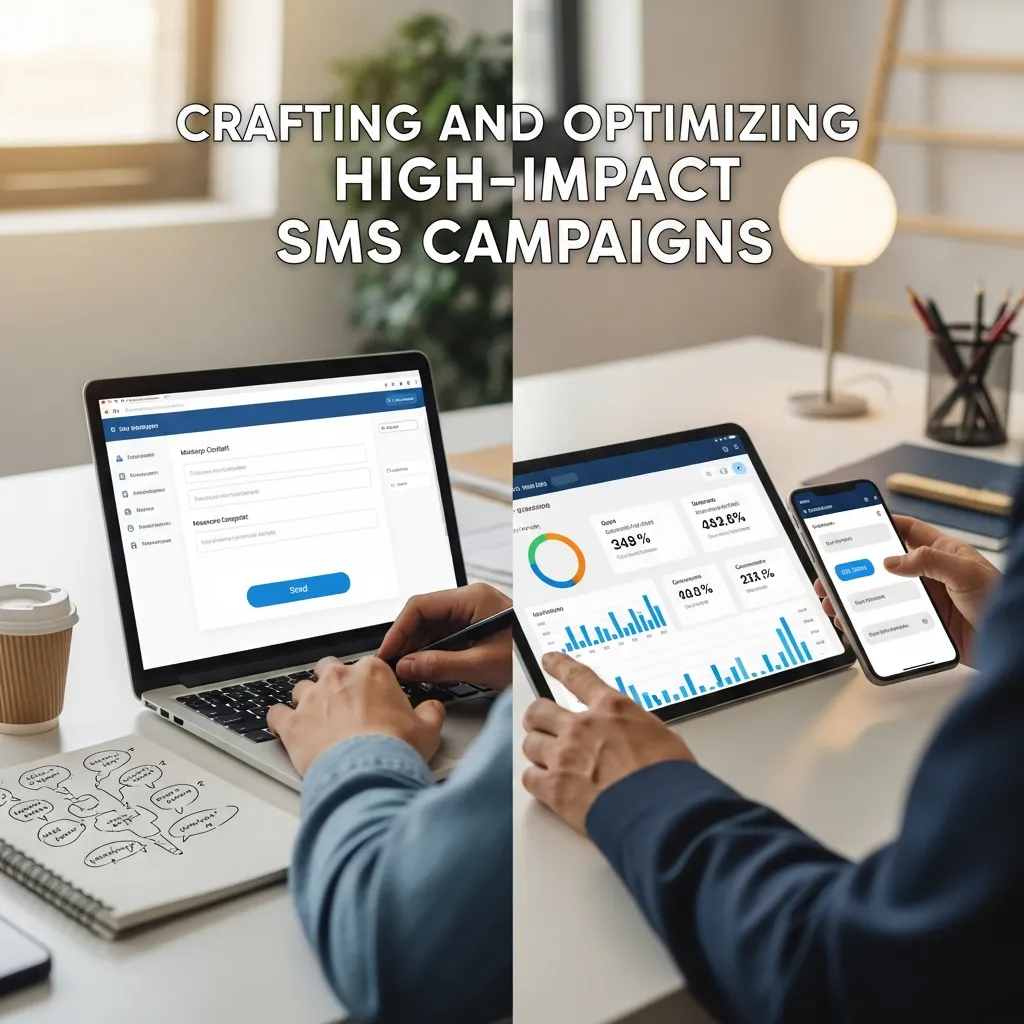
Effective SMS affiliate campaigns strike a balance between brevity and persuasion. Since SMS is a highly immediate and personal channel, every message must deliver value quickly while encouraging action. With limited character space, marketers must focus on clarity, urgency, and relevance to capture attention within seconds.
A strong campaign begins with a compelling hook in the first few words. This could highlight a benefit, create urgency, or emphasize exclusivity. Because most users skim messages, your opening line determines whether they continue reading or ignore the message altogether. Keeping messages under 160 characters ensures readability and prevents truncation across devices and carriers.
Key Elements of High-Impact SMS Campaigns
1. Compelling Hooks and Clear Messaging
The first impression of your SMS determines engagement. A powerful hook should immediately communicate value.
Best Practices:
- Highlight benefits (“Save 30% today”)
- Create urgency (“Limited time offer”)
- Use exclusivity (“VIP access only”)
- Keep language simple and direct
2. Strong Call-to-Action (CTA)
Always include a direct call to action that leaves no room for confusion. Your CTA should guide users toward a single, clear action.
Examples of Effective CTAs:
- Tap the link to save 20% now
- Reply YES to claim your offer
- Visit this page for instant access
Shortened URLs with UTM parameters help you track clicks and attribute conversions accurately in analytics tools or affiliate dashboards.
CTA Performance Table
| CTA Type | Example | Expected Outcome |
|---|---|---|
| Click-Based | Tap the link now | Drives traffic |
| Reply-Based | Reply YES to join | Increases interaction |
| Urgency CTA | Limited time—act now | Boosts conversions |
| Discount CTA | Get 20% off today | Encourages purchases |
3. Personalization and Dynamic Content
Personalization can elevate your SMS campaigns significantly. Messages that feel tailored to the individual perform better than generic broadcasts.
Insert subscriber names or reference past purchases to make messages feel relevant and engaging. Advanced platforms allow dynamic content blocks that automatically adjust offers based on user segments, behaviors, or preferences.
Personalization Strategies:
- Use first names in messages
- Reference previous interactions
- Customize offers based on interests
- Send location-based promotions
Personalization Impact Table
| Personalization Type | Example | Benefit |
|---|---|---|
| Name-based | Hi John, special deal for you | Builds connection |
| Behavior-based | Still interested in shoes? | Improves relevance |
| Location-based | Deals near you today | Increases engagement |
| Purchase-based | Buy again & save more | Boosts repeat sales |
4. A/B Testing and Optimization
Testing is critical for improving campaign performance over time. A/B testing allows you to compare two versions of a message and identify which performs better.
You can test different elements such as hooks, CTAs, timing, or promotional offers. By analyzing performance data, you can refine your strategy and continuously improve results.
What to Test:
- Message wording and tone
- CTA variations
- Send time and frequency
- Offer types (discount vs. bonus)
A/B Testing Framework Table
| Element Tested | Version A | Version B | Goal |
|---|---|---|---|
| Hook | Save 20% today | Flash sale now | Higher open rate |
| CTA | Tap now | Shop now | More clicks |
| Timing | Morning | Evening | Better engagement |
| Offer | Discount | Free gift | Higher conversions |
5. Tracking and Performance Metrics
Tracking campaign performance is essential to measure success and optimize ROI. By monitoring key metrics, marketers can identify strengths and areas for improvement.
Key Metrics to Track:
- Delivery rate
- Click-through rate (CTR)
- Conversion rate
- Return on investment (ROI)
- Unsubscribe rate
Performance Metrics Table
| Metric | Definition | Importance |
|---|---|---|
| Delivery Rate | Messages successfully delivered | Measures reach |
| CTR | Clicks per message sent | Indicates engagement |
| Conversion Rate | Actions completed | Measures success |
| ROI | Revenue vs. cost | Determines profitability |
| Unsubscribe Rate | Opt-outs | Indicates message relevance |
6. Compliance and Subscriber Trust
Maintaining compliance is essential for long-term success in SMS affiliate marketing. Always include opt-out instructions such as “Reply STOP to unsubscribe” and ensure requests are processed immediately.
Respecting subscriber preferences not only prevents legal issues but also builds trust and strengthens brand reputation. Transparency and ethical messaging practices are key to sustaining engagement.
Compliance Checklist:
- Obtain user consent before messaging
- Include opt-out instructions
- Avoid misleading content
- Follow regional regulations (TCPA, GDPR)
- Maintain accurate subscriber records
SMS affiliate marketing offers an unparalleled opportunity to connect with mobile audiences in real time, driving high engagement and strong revenue potential. By understanding the fundamentals, selecting proper tools, and adhering to compliance standards, you can build campaigns that convert and scale efficiently. Focus on attracting quality subscribers, crafting concise and compelling messages, and continuously refining your approach through data-driven testing.
as consumers rely more heavily on smartphones, SMS marketing remains a vital channel for affiliates striving to stay ahead. Embrace the strategies outlined in this guide, integrate best-in-class platforms, and prioritize subscriber value. With diligence and creativity, you can transform your SMS subscriber list into a powerful affiliate revenue engine. Start sending your first campaign today and watch your commissions grow rapidly.
FAQs: SMS Affiliate Marketing Success
1. What is SMS affiliate marketing?
SMS affiliate marketing involves sending promotional text messages with affiliate links, allowing marketers to earn commissions when users click and complete purchases or actions.
2. Why is SMS effective for affiliate marketing?
SMS has high open rates (over 90%), immediate delivery, and direct access to users, making it highly effective for time-sensitive promotions and engagement.
3. How do I start SMS affiliate marketing?
Start by choosing a niche, joining affiliate networks, building a compliant subscriber list, and using an SMS platform to send targeted promotional messages.
4. What are the best platforms for SMS affiliate marketing?
Popular platforms include SMS gateways like Twilio, SimpleTexting, and EZ Texting, along with affiliate networks such as CJ Affiliate, Rakuten, and Impact.
5. Is SMS affiliate marketing legal?
Yes, but you must comply with regulations like TCPA and GDPR, obtain user consent, and provide clear opt-out options in every message.
6. How can I build a quality subscriber list?
Use opt-in forms, landing pages, and incentives like discounts or free resources to attract engaged users who are genuinely interested in your offers.
7. What type of content works best in SMS campaigns?
Short, clear, and action-driven messages with a strong call to action, urgency, and personalization tend to perform best.
8. How do I track SMS affiliate campaign performance?
Track metrics such as delivery rate, click-through rate, conversion rate, and ROI using affiliate dashboards and analytics tools like Google Analytics.
9. How often should I send SMS affiliate messages?
Typically, sending 2–4 messages per month is recommended to avoid overwhelming subscribers while maintaining engagement.
10. What are the best practices for SMS affiliate marketing success?
Focus on compliance, personalization, audience segmentation, concise messaging, A/B testing, and continuous optimization based on performance data.